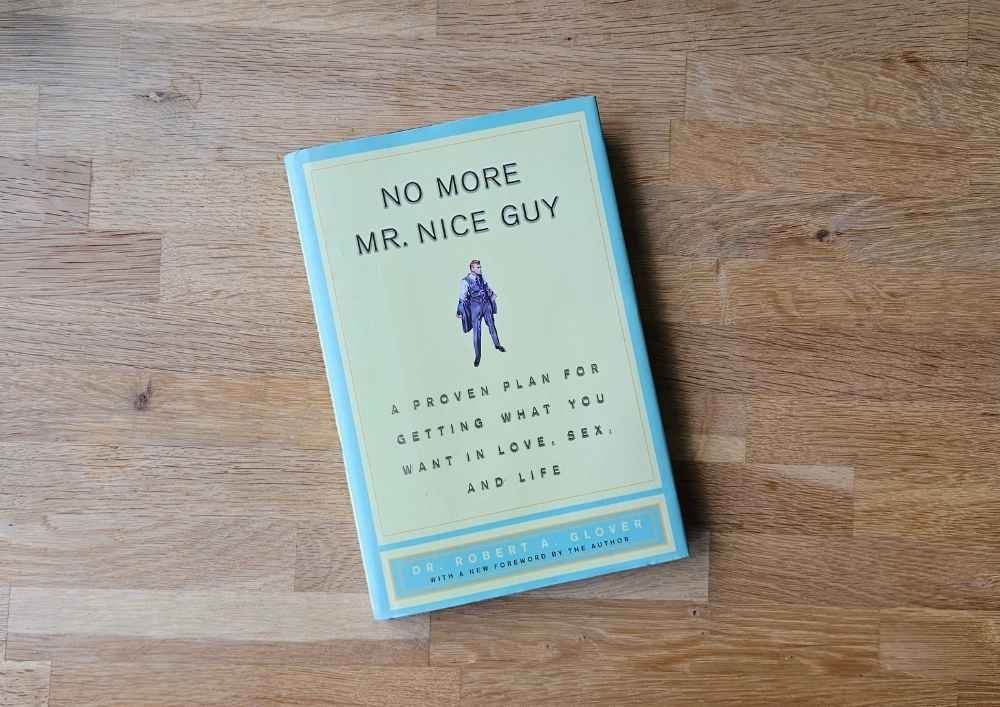
Have you ever met a man whom you would call a Nice Guy? The chances are that you have and that they are nice to a degree. Nice on the surface or perhaps nice until..
Yeah, I’ve met them and I can attest that there are multiple version of how it may play out. Many of them actually think they are nice themselves. They do their absolute best to make sure those around them feel good. Sadly dismissing how they feel themselves and often they don’t understand why the other doesn’t give them as much as they do.
Here’s the juicy part.
Most often they do things and actions no one asked them to do, they assume that is what the other wants. Sometimes they still do what the other has actually asked, but they have a deep inner expectation to receive something in return. Aka creating a conditional transaction.
It all stems from a deep space within where their subconscious made survival strategies when they were kids that goes along like this: “When I do X and X I will be loved”, “When I meet the other person needs I will be accepted” and so on.
The tricky bit in this is that they don’t know this consciously in their regular thinking mind and that’s where this book is so helpful in my opinion. It speaks in a language that helps the man who might have this syndrome to recognise it through the facts of his current life.
So what are the symptoms of a Nice Guy syndrome?
- Unknowingly to himself he seeks approval from others. He needs validation and often it’s the root for being nice to others to get attention in return. It especially shows up in the relationships with women or the ones he’s interested in romantically. They often manipulate without knowing that they do so as that’s their learned form or getting what they want, without asking directly.
- He’s very giving and they might pride themselves for being so giving to others. Sadly it stems from the transactional need to get attention for being so good.
- Very intent to fix and take care of others problems and their needs, most often when not asked to do so. Of course, they become really good at fixing, but they have a hard time to simply support and believe that others can take care of themselves on their own.
- Great at avoiding conflict, prone to smoothing things out, especially in romantic relationships and work. Hence not so good at knowing, setting and keeping their boundaries. Boundaries are often a loose term for them aka they need to practice a lot to actually sustain them.
- Masterful at hiding their flaws and mistakes so that they wouldn’t get shamed, be angry at or be left for their mistakes. Very often linked to their sexual life as its a big shame topic.
- Of course, they have no complete idea of their true feelings as they hide them from others and themselves. They rather analyse than actually feel. It connects to their need of being conflict free. If you have no strong feelings, there’s no need to properly address them.
- They often try to be different than their fathers where. Most often, because their fathers where absent or unavailable, passive, stoic, angry, troubled, abusive or addicted to something. Not the best examples for a young boy.
- And that’s why they are more likely to be more comfortable with women. In most cases they don’t have many close male friends. They unknowingly seek out the approval of women and so they have more close relationships with them.
- They believe that stating their own needs as priority is selfish. They think they are being really good for putting their needs as less important. They often don’t like this action in other men.
- When they are in a romantic relationship their partners becomes the emotional center of it. They are happy if their partner is happy and they are ready to do a lot for it to happen, often at the expense of their own needs not met.
- They like to be different than other men as they like to believe that they are not selfish, angry or abusive. Although that’s far from the truth.
- In MOST cases of when I recognised a Nice Guy they were bitter about their relationships with women and how they had such a bad luck. They somehow found the worst kind of women for whom they did so much. Not realising the amount of self agency they always give away when meeting someone they like.
I list these symptoms so that you can recognise the potential men in your life with this thought process. The good news is, as anything learned it can be shifted, but it takes the man himself to do the process.
That’s why I think this book is so powerful as the writer is a recovering Nice Guy himself. Dr. Robert A. Glover has a doctors degree in psychotherapy, he worked as a marriage and family therapist for over 30 years and he began to specialise his work in the Nice Guy area back then. He has helped a lot of men to overcome this syndrome and still is the leading expert in this niche.
As a woman I can attest to his discoveries of how a man needs to change to be attracted by a healthy woman. I have been very open about how sexy a strong set of boundaries are in a man. It actually makes me trust a man more if he does what he says he will do.
I suggest this book for both men and women who feel they know someone with this syndrome or are in a relationship with one.
It was a fun read and I got to have interesting conversations with my partner about it, as it gave a glimpse into the mans world.
Just in case you are not ready to commit and read the book I suggest listening to some interviews with Dr. Robert Glover, it’s a lot of fun. Or check out his Youtube channel right here.
Personal thank to the man who leant it to me!